A homeowner calls about a leaking pipe, texts a follow-up photo an hour later, then checks the company’s website that evening to compare quotes. If those three touchpoints are handled by three disconnected systems, the business is starting from zero at each one — and the homeowner notices.
Why Separate Channels Cost Real Deals
The mature channels for a home service business in 2026 are voice, SMS, and website chat — and keeping them siloed means an AI agent handling the phone call has no idea the same customer already texted a photo, and the chat widget has no context from either interaction. Businesses gaining a real edge are the ones consolidating voice, messaging, and chat into one unified system rather than running three separate point tools that happen to share a logo.
What “One Agent Brain” Actually Means in Practice
A properly unified system carries context across phone, text, and web chat — it remembers the caller from an hour ago, and it can actually do the work: book the job, pull up the existing quote, update the record, rather than starting a fresh conversation with no memory of what already happened. For a home service business, that difference shows up directly in whether a homeowner has to repeat themselves for the third time or feels like they’re talking to one consistent operation.
Implementation Is Faster Than It Used to Be
Modern cloud-based platforms can go live in weeks rather than months with reasonable planning, and most are built for marketing and operations teams directly — no dedicated developer or lengthy technical setup required. That timeline matters for a seasonal or high-demand service business that can’t afford a quarter-long implementation before seeing any return.
A Practical Rollout Order
- Start with whichever channel already gets the most volume. Most home service businesses see that in phone calls or website chat, not SMS — start where the current bottleneck actually is.
- Add the second channel only once the first is genuinely working. A poorly configured single channel is worse for the customer experience than a well-configured one, even if it means fewer channels covered initially.
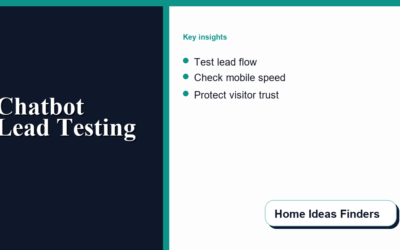
- Confirm context actually carries across channels before calling it done. Test it as a real customer would — call, then text, then check chat — and verify the system remembers, rather than assuming the integration works because the vendor said so.
Platforms built around deploying one consistent AI presence across every channel a customer might use — rather than a separate bot per channel — are the right fit for this specific problem. Charigent’s deploy anywhere feature is built around exactly that unified-context model.
The Bottom Line
A homeowner doesn’t experience a business as separate channels — they experience one company, and the businesses winning are the ones whose systems reflect that reality instead of fighting it.